Office Clearance in Regents Park

Office clearance in Regents Park should be organised with care, whether you are moving out, reconfiguring workstations, or removing items that are no longer needed. We provide a practical clearance service for offices and business premises, handling desks, chairs, storage units, archive material and mixed commercial waste in a way that keeps the process straightforward for the people in charge of the property. The aim is to clear usable space efficiently while keeping attention on safe handling and responsible disposal.
For many businesses, the right clearance service is not just about removing surplus items. It is also about keeping access routes open, separating reusable pieces from unwanted furniture, and making sure the job fits around other plans on site. Our office clearance work is suitable for partial clear-outs, complete floor or suite clearance, and ad hoc removals where only certain items need to go. If you need to clear a workspace without creating extra disruption, the work can be planned around the layout and access available.
We can help with the kinds of items that typically build up in commercial premises: filing cabinets, reception furniture, shelving, general equipment, packaging waste and contents from storage areas. Where items need to be separated for recycling, that can be built into the clearance approach. For a quote, it helps to have a clear list of what stays and what goes, plus any notes about stairs, lifts, parking or access restrictions. If you are ready to move ahead, request a quotation.
Commercial furniture and office contents
Office clearance often begins with the furniture that takes up the most room. Desks, meeting tables, office chairs, pedestal units and cupboard systems can all be removed as part of one coordinated visit, reducing the need for several separate arrangements. Where furniture is still in reasonable condition, it may be suitable for reuse or directed to a recovery stream rather than simply treated as general waste. That depends on the condition of the items and the sort of clearance being arranged.
We also deal with mixed office contents that accumulate over time, including display units, small fixtures, loose items from cupboards, and outdated equipment that has been left in storage areas. In some cases a business wants certain furniture retained while the rest is taken away, so the service needs to be selective and careful. Furniture clearance can be a useful option where the main task is to remove bulky items quickly while keeping the remainder of the room intact.
Choosing the right removal scope
The best scope depends on the state of the premises and what needs to remain in place. A phased clearance may suit a live office where staff are still working, while a full clearance may be more suitable after relocation or refurbishment. Common decisions include whether storage units are emptied first, whether loose paperwork is boxed separately, and whether heavy furniture should be taken out before smaller items. It is also sensible to identify any items that require special handling before the visit takes place.
Paperwork, archives and workplace clutter

Offices rarely contain only furniture. Files, archived paperwork, stationery, presentation material and general clutter often occupy cupboards, under-desk storage and unused rooms. Clearance work in these areas needs a methodical approach so that important documents are not mixed with general waste. A sensible plan is to separate records that must stay on site from those that are ready for removal, then work through each room in sequence so nothing is overlooked. That keeps the process orderly and easier to sign off afterwards.
Where archived material has reached the end of its retention period, it may be included within a broader office clearance. Depending on what is involved, the work can cover boxes, ring binders, assorted paper waste and out-of-date promotional material. The practical value of a managed clearance is that you are not left with bags, stacks or piles to sort through after the main removal has been completed. Business waste removal can be relevant when the job includes a wider mix of commercial refuse as well as furniture.
- Boxes of paperwork and archive files
- Loose stationery and office consumables
- Out-of-date display material and noticeboard items
- General clutter from cupboards and storage rooms
Clearance for moves, refurbishments and downsizing
Commercial premises are often cleared because the organisation is changing in some way. A move to a different office, a refurbishment of the existing space, or a reduction in desk numbers can all leave surplus items behind. In those situations the clearance should be timed so that it supports the wider plan rather than interfering with it. That may mean removing only selected areas first, or arranging the job so that the most awkward items go last once the space is easier to work in.
Some clients want a site left ready for handover, while others need only a partial strip-out before contractors arrive. The task may involve emptying storage rooms, taking away unwanted partitions or collecting redundant office contents from several floors. If your requirement is broader than a simple furniture removal, home clearance is not the right fit for business premises, but the principle of tidying a space before its next use is similar and can help you decide how the office work should be staged.
How office clearances are usually planned
Planning normally starts with identifying the areas to be cleared and the access available on the day. It helps to know which floors are involved, whether a lift can be used, and whether there are restrictions on collection times. A good plan also identifies items that should remain in place, such as IT equipment still in use, fixtures attached to the building, or furniture being transferred elsewhere within the business. Once those points are clear, the actual removal can be carried out in a more controlled way.
Handling bulky items and mixed waste

Office clearance frequently includes bulky items that are awkward to shift without the right equipment or lifting method. Large storage cabinets, reception counters, conference tables and stacked seating can all need careful handling, especially in buildings with narrow corridors or shared access points. Mixed waste can also appear alongside the furniture, including packaging, broken office accessories and old consumables. The aim is to remove everything agreed for collection while keeping the site safe and orderly for the next stage of use.
Where the contents of a room are varied, the clearance may be split into categories so that materials suitable for recycling do not end up mixed with items that are simply being discarded. That can be useful in offices where storage has been neglected for some time and the contents are no longer neatly grouped. Waste removal is a broad service page for jobs that involve a wider range of loose materials, while a dedicated office clearance keeps the focus on commercial interiors and their contents.
The practical decisions usually come down to what should be taken first, how items will leave the building, and whether anything needs to be dismantled before removal. Clear access can speed the work, but even where access is limited the clearance can still be managed if the route is known in advance. If you need to compare what will be removed and what will remain, a written list is often the easiest starting point. If that sounds helpful, ask for a quotation.
Storage rooms, cupboards and back-office spaces
Not every office clearance is about the main working floor. Many jobs begin in storage rooms, cupboards, copy areas, back offices or unused corners where surplus items have gathered out of sight. These spaces often contain a mix of furniture, old files, spare supplies and broken equipment, which means the work has to be approached with some organisation. Clearing them can free up useful room for stock, records or a different use without disturbing the whole office at once.
In some buildings, storage areas are the most time-consuming part because they contain items that have been left for later sorting. A careful clearance lets you decide which objects are genuinely redundant and which should be kept for operational reasons. If the job includes both loose items and larger fittings, loft clearance is not the service here, but the idea of working through a confined or heavily used storage area with care is similar in practical terms.
What can affect the work on site
Several things can make an office clearance more involved: shared corridors, loading limitations, security procedures, building rules, or items that have to be carried through occupied areas. Heavy or awkward pieces may need to be broken down into manageable parts before removal, and some storage rooms may contain a combination of paper, furniture and miscellaneous waste. Knowing these details in advance helps the clearance proceed smoothly and keeps the space easier to hand back once the job is complete.
Responsible disposal and recycling choices

A commercial clearance should not be treated as a simple emptying exercise. Once items leave the office, they still need to be handled in a way that fits their condition and material type. Some furniture can be suitable for reuse, while other items are better directed towards recycling or disposal routes that suit the contents. That is particularly important where a job contains a mixture of timber, metal, plastics and general waste from different areas of the office.
We approach office clearance with the aim of separating out the likely streams as the work progresses, rather than collecting everything into one undifferentiated pile. That can make the process more efficient and can help reduce unnecessary waste where items are still serviceable. Recycling and sustainability explains the broader approach to material handling and is useful when you want to understand how reusable or recyclable items are considered within a clearance.
It is also worth thinking about any specialist items before the job is booked. Computer hardware, cabling, screens and office equipment may need a different route from ordinary furniture, depending on what is involved. For that reason, a short description of the contents is usually more helpful than a vague request for “everything to go”. The clearer the list, the easier it is to plan the removal and keep the outcome aligned with your priorities.
Getting ready for an office clearance
A little preparation can make the clearance more efficient without placing extra work on your team. It is usually enough to identify the rooms involved, note any access issues and decide which items are staying. If there are particular pieces of furniture to be retained, it helps to mark them clearly or move them aside if that can be done safely. For larger offices, grouping the items that are definitely being removed can also make the job easier to price and schedule.
Photographs, a basic inventory or a room-by-room list can be useful when the job includes several types of contents. They help show whether the clearance is for one room, one floor or an entire premises, and they give a better picture of the amount of furniture and waste involved. If there are lift restrictions, loading bays or building rules to consider, mention them early so the clearance can be arranged with those limits in mind. Pricing and quotes is the page to look at if you want a broader view of how enquiries are handled.
When the details are clear, the work can be planned around the office rather than the office being disrupted by the work. That is especially useful where staff are still on site, or where a landlord, facilities manager or tenant representative needs the space cleared to a specific standard. Keeping the instruction simple and specific usually leads to a smoother result, because there is less room for confusion about what should happen on the day.
About Regents Park
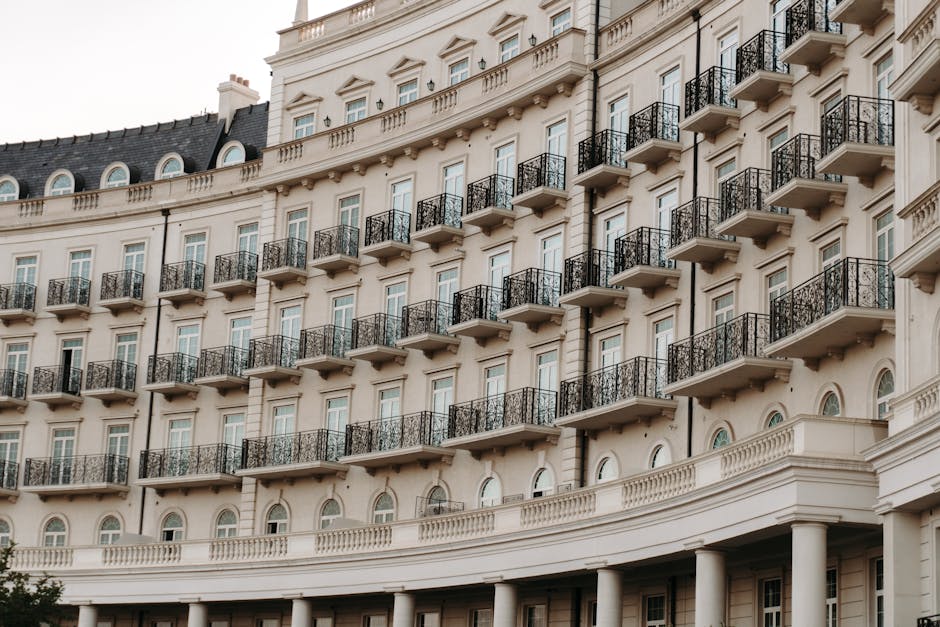
 Regents Park is one of central London’s best-known landscaped green spaces, laid out as part of the early nineteenth-century vision associated with John Nash. The park sits within the City of Westminster and forms a broad, ordered open area edged by terraces, villas and major routes that connect it to neighbouring districts such as Marylebone and Camden. Its formal character is shaped by sweeping avenues, ornamental planting and carefully planned views, while the surrounding streets include a mix of residential squares, institutional buildings and cultural destinations. The park’s name is closely tied to its Georgian and Regency origins, and that architectural period remains visible in much of the nearby built environment.
Office clearance for landlords, tenants and managing agents
Office clearance can serve different people at different stages of a building’s life. A tenant may need the space emptied before leaving a lease, a landlord may want redundant items removed before a re-let, and a managing agent may simply need a practical way to deal with abandoned contents after notice has been given. The job is usually easier when the responsibilities are clear from the start, especially if different people are arranging separate parts of the move or handover.
We can support one-off clearances where only part of a premises needs attention, as well as larger clear-outs involving several rooms or multiple types of office contents. Where the work relates to a wider property change, it can be helpful to think in stages: first the items that must go, then any bulky furniture, and finally the smaller contents that remain in cupboards or store rooms. If you are gathering options before making a decision, about us gives a general company overview, while the service pages explain the practical areas covered.
Simple communication often makes the difference between a rushed clear-out and a tidy, workable result. A clear note of the rooms involved, plus any access details or items that need to stay, is usually enough to start shaping the job properly. When you are ready to progress, request a quotation.
Why a structured office clearance matters
A structured clearance does more than remove visible clutter. It helps keep decision-making organised, so furniture, waste and items for retention are dealt with in the right order. That matters in office environments where space is limited and where several people may need to use the same access points, corridors or storage rooms. A methodical approach also makes it easier to hand the premises over in the required condition once the unwanted contents have been removed.
Different sites call for different levels of intervention. Some jobs are mainly about a few redundant desks and chairs, while others involve most of the contents of a floor or suite. In either case, the removal should be matched to the layout of the premises, the quantity of items and any special handling needs. Office clearance remains the central service on this site, and it is the best starting point when you want the work managed as a business premises clearance rather than a general household job.
For many customers, the practical benefit is simply knowing that the room or suite will be dealt with in one coherent process rather than several separate visits. That makes scheduling easier and reduces the chance that a forgotten item will hold up the next stage. If you have a specific list of contents, share it with your enquiry so the scope can be matched to the task. If you are planning ahead, now is a good time to request a quotation.