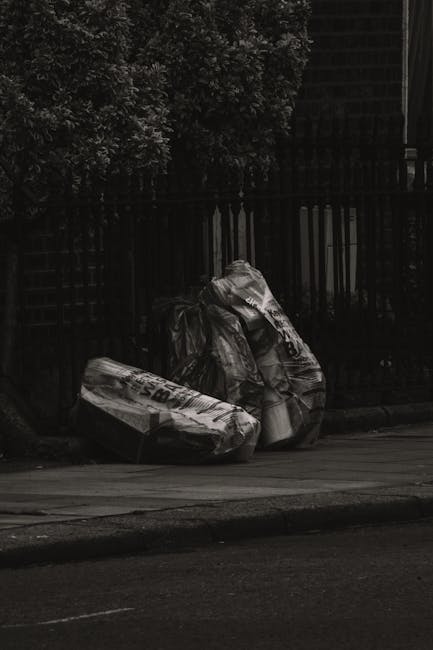
Regents Park rubbish pickup guide for Gloucester Gate residents
If you live near Gloucester Gate, rubbish can pile up faster than you expect. A bag that should have gone out yesterday somehow sits by the hallway on Thursday morning, and suddenly the bin area feels cramped, untidy, and a bit stressful. This Regents Park rubbish pickup guide for Gloucester Gate residents is here to make the whole process simpler: what to put out, when to do it, how to avoid problems, and when a proper waste removal service makes more sense.
There is a practical side to this too. In a busy London setting, a small mistake can mean missed collections, cluttered shared spaces, or items left where they should not be. If you are managing a flat, a townhouse, a rental, or a small business premises nearby, a clear plan saves time and awkward conversations. Let's walk through it properly.
Table of Contents
- Why Regents Park rubbish pickup guide for Gloucester Gate residents Matters
- How Regents Park rubbish pickup guide for Gloucester Gate residents Works
- Key Benefits and Practical Advantages
- Who This Is For and When It Makes Sense
- Step-by-Step Guidance
- Expert Tips for Better Results
- Common Mistakes to Avoid
- Tools, Resources and Recommendations
- Law, Compliance, Standards, or Best Practice
- Options, Methods, or Comparison Table
- Case Study or Real-World Example
- Practical Checklist
- Conclusion
- Frequently Asked Questions
Why Regents Park rubbish pickup guide for Gloucester Gate residents Matters
Gloucester Gate sits in an area where space is precious and routines matter. When rubbish collection is handled badly, the effect is immediate: corridors feel tighter, bin stores fill up, and the whole building starts to look neglected. On a windy morning, one loose bag can turn into a mess before you have even finished your tea. Not ideal.
For residents, a good rubbish pickup routine does three things. First, it keeps your home and shared spaces hygienic. Second, it reduces the chance of pest issues, odours, and fly-tipping around entrances or collection points. Third, it helps you stay organised when you are dealing with occasional bulky waste, refurbishments, or a flat clear-out.
It also matters because not all waste is equal. A few household bags are one thing. Old furniture, renovation debris, broken appliances, or mixed junk are another. If you treat everything the same, you will almost always end up with delays or extra hassle. Better to think ahead by a day or two than to scramble at the kerbside. Truth be told, that small bit of planning usually saves the most effort.
Expert summary: The best rubbish pickup routine for Gloucester Gate residents is the one that matches your property layout, your waste type, and your building's access rules. Keep it simple, keep it consistent, and book extra clearance when ordinary collection is no longer the right tool.
How Regents Park rubbish pickup guide for Gloucester Gate residents Works
At its simplest, rubbish pickup in this part of London usually follows a rhythm: sort the waste, present it correctly, and make sure it is collected from the agreed point. That sounds straightforward. In practice, the tricky bit is often access. A narrow mews entrance, a shared bin area, locked gates, or a building porter system can all affect how and when waste gets moved.
For regular household rubbish, residents normally need to use the property's assigned bins or collection point and follow the building's rules for timing and sorting. For larger or irregular items, you may need a separate clearance solution rather than waiting for standard pickup. If you are dealing with a flat move, there may be a mix of general waste, furniture, and old storage items all at once. That is where a service like flat clearance can be a better fit than trying to manage everything through bins alone.
One useful way to think about it is this:
- Routine waste goes through normal bin collection.
- Bulky items need a separate arrangement.
- Mixed clearance waste often needs sorting before removal.
- Trade or renovation waste should be handled with care and kept apart from household rubbish.
Residents often underestimate how quickly waste builds up after a move, a redecorating job, or a major tidy-up. You start with a couple of black bags, then there is a wardrobe panel, then old boxes, then some random bits from the airing cupboard that you forgot existed. It happens. Planning the pickup method in advance keeps that pile from becoming an all-week problem.
Key Benefits and Practical Advantages
A reliable pickup routine is about much more than "getting rid of rubbish". It supports day-to-day living in ways that are easy to overlook until something goes wrong.
- Cleaner shared spaces: A tidy bin area makes a building feel more cared for.
- Less odour and mess: Waste left too long, especially food waste, can become unpleasant very quickly.
- Lower risk of disputes: Clear arrangements reduce friction between neighbours, managing agents, and residents.
- Better access: A clear walkway helps everyone, including deliveries, maintenance teams, and mobility users.
- Faster room turnover: Useful for landlords, tenants, and anyone preparing a flat for sale or letting.
- More efficient clear-outs: If you separate what can be reused, recycled, or removed in one go, the process is smoother.
There is also a quiet financial benefit. Not every clearance needs a large-scale solution, but when it does, dealing with it early can prevent extra trips, storage costs, or damage to shared areas. If you are comparing options, a transparent pricing and quotes page is a sensible place to start because it helps you judge value before you commit.
And let's face it, there is something deeply satisfying about seeing a cluttered space turned back into a clean one. The room feels bigger. The air feels lighter. Little things, but they matter.
Who This Is For and When It Makes Sense
This guide is useful for a fairly wide group of people around Gloucester Gate. If any of the scenarios below sound familiar, you are in the right place.
Residents in flats or mansion blocks
Shared bin systems need a bit of discipline. If one resident puts out the wrong items, everyone notices. A good plan helps keep communal storage areas usable and avoids overflow.
Tenants moving in or out
Moving always generates waste: broken hangers, old packaging, unwanted furniture, the odd drawer full of things you do not quite know how you accumulated. A quick clearance before keys are handed over can make the move smoother.
Landlords and managing agents
When a property changes hands, rubbish management is part of keeping the building presentable and reducing complaints. A delay of even a day can leave a bad impression on incoming tenants.
Homeowners doing a tidy-up
If you are clearing a loft, garage, or spare room, the waste pile often grows faster than expected. For larger domestic jobs, home clearance or loft clearance can save a lot of lifting and repeated trips.
Small businesses near Regents Park
Offices, studios, and service premises produce a different kind of waste. Paper, packaging, old office furniture, and electronics can all need separate handling. If that sounds like your setup, business waste removal or office clearance may be the more practical route.
When does it make sense to choose a dedicated clearance instead of waiting for a normal pickup? Usually when the waste is bulky, mixed, time-sensitive, or simply too much for the bin store. If you are hesitating, that is usually a sign the job has outgrown standard collection.
Step-by-Step Guidance
If you want a clean, low-stress result, follow a simple process. It is not glamorous, but it works.
- Identify the waste type. Separate general rubbish, recyclables, bulky items, and anything that may need special handling.
- Check your building rules. Some properties have strict collection windows, storage limits, or instructions for the bin area.
- Break down what you can. Flatten boxes, dismantle light furniture if possible, and bundle loose items safely.
- Keep access clear. Make sure the route to the bin store or pickup point is free from obstructions.
- Bag and label clearly where helpful. A neat pile is easier to move and much easier to assess.
- Plan for bulky waste separately. Sofas, wardrobes, broken desks, and renovation offcuts usually need more than regular collection.
- Book the right service if needed. If the job is bigger than bin collection, use a tailored clearance service rather than forcing it.
- Confirm timing. The most common issue is not the waste itself. It is leaving it out too early or too late.
A small but useful habit: do one final walk-through before collection day. You will nearly always spot a forgotten lamp shade, a bag tucked behind a door, or a box you meant to recycle. Happens to everybody.
Expert Tips for Better Results
A few practical habits make rubbish pickup much easier in real life.
- Use a "sort as you go" approach. Do not wait until the end of the week to make decisions about waste. The pile gets messy fast.
- Keep reusable items aside early. If something can be donated, resold, or reused, separate it before it gets mixed with general rubbish.
- Avoid overfilling bags. Heavy, split bags are awkward to handle and often leave a trail.
- Protect shared spaces. Cardboard sheets or a blanket can help if you are moving furniture through a narrow hallway.
- Choose the right clearance type. A furniture job is not the same as a builders waste job, even if both involve "stuff you want gone".
- Think about parking and access. In busy parts of London, this is not a minor detail. It can decide whether a collection is quick or painful.
If your waste is mostly old furniture, it may be better to look at furniture clearance or furniture disposal rather than trying to force items into a general rubbish routine. Simple as that.
One more thing: if a job feels likely to take all afternoon and several stair turns, it probably will. Better to plan for the real workload, not the optimistic version in your head.
Common Mistakes to Avoid
Most rubbish pickup problems are avoidable. They come from small oversights rather than major disasters.
- Mixing different waste streams. Household rubbish, garden cuttings, builders waste, and bulky items should not be treated as one pile.
- Leaving items in the wrong place. A collection point is usually specific. The pavement, a side gate, and a shared lobby are not interchangeable.
- Waiting until the last minute. This is the classic one. The bins are full, the item is too large, and suddenly you are improvising.
- Ignoring access constraints. Lifts, narrow corridors, permits, and time restrictions can all trip up a pickup.
- Assuming everything can go out with normal rubbish. Not always. Especially with furniture, renovation debris, or electricals.
- Forgetting about neighbour impact. In a shared building, one badly placed item can become everybody's issue.
There is also a subtler mistake: underestimating the emotional side. Clearing clutter can be tiring. By the third bag, you are less patient, less careful, and more likely to make a messy decision. So if you are doing it yourself, pace it a bit.
Tools, Resources and Recommendations
You do not need a warehouse full of equipment to manage rubbish pickup well, but a few basic tools help.
- Heavy-duty bin bags for mixed household waste.
- Gloves for handling sharp or dirty items.
- Box cutters or screwdrivers for breaking down packaging and dismantling light furniture.
- Labels or tape to mark bags or piles that need special handling.
- Trolley or sack truck if you are moving heavier items through a long corridor.
- Measuring tape for checking whether a sofa, wardrobe, or table will fit through the route.
For more complex jobs, it helps to use a service that understands mixed waste, access challenges, and sorting. A general waste removal service is often the most flexible option for residents who are not dealing with just one waste type. If you are clearing outside space as well, garden clearance can be useful for soil bags, hedge cuttings, and outdoor debris.
Practical recommendation? If your waste job would take more than one vehicle load, or if it includes items that are awkward to carry downstairs, book the right help early. It keeps the job from spilling into the rest of your week.
Law, Compliance, Standards, or Best Practice
Waste handling in the UK is not something to be casual about. Even for household residents, best practice matters because waste that is left in the wrong place, handled badly, or mixed improperly can create nuisance, safety, and compliance issues.
For Gloucester Gate residents, the safest approach is to follow the instructions of your building management, use the correct collection points, and keep waste separated where appropriate. If you are arranging removal through a contractor, it is sensible to choose a company that is insured, operates safely, and handles waste responsibly. Those are not optional extras. They are the basics.
Some practical standards to look for include:
- Safe lifting and carrying practices to avoid injury and damage.
- Clear handling of mixed waste so recyclable materials are not needlessly lost.
- Respect for access rules in shared buildings and managed properties.
- Transparent pricing and terms so you know what is being collected and what is not.
- Responsible disposal routes that reduce unnecessary landfill where possible.
You may also want to review the provider's health and safety policy, insurance and safety information, and recycling and sustainability approach. Those pages are useful because they tell you how the business thinks about the job, not just how quickly it can collect it.
To be fair, most residents do not want to become experts in waste law. You should not have to. But a little awareness goes a long way, especially in shared housing or managed blocks.
Options, Methods, or Comparison Table
There are a few ways Gloucester Gate residents can deal with rubbish and unwanted items. The right option depends on volume, urgency, and the type of waste involved.
| Method | Best for | Pros | Limitations |
|---|---|---|---|
| Standard bin collection | Everyday household rubbish | Convenient, routine, usually low effort | Not suitable for bulky or mixed clearance waste |
| Self-removal to a disposal point | Small loads, organised clear-outs | Flexible and direct | Time-consuming, involves transport and lifting |
| Specialist rubbish pickup | Bulky items, mixed household waste, larger jobs | Less hassle, often faster, suitable for tricky access | Needs booking and clear scope |
| Dedicated clearance service | Flat moves, full room clearances, lofts, garages | Handles volume and awkward items well | May be more than you need for very small jobs |
If you are not sure which route fits, ask yourself one blunt question: "Could I reasonably finish this with a couple of bin bags and a normal collection?" If the answer is no, you probably need a more complete service. A house clearance or garage clearance can be the sensible choice when the job has grown beyond routine rubbish pickup.
Case Study or Real-World Example
Imagine a resident near Gloucester Gate is moving out of a top-floor flat on a Friday. There is an old mattress, two broken chairs, cardboard from new furniture, and a stack of mixed bags from the kitchen and bedroom. At first glance, it looks like "just rubbish". In reality, it is several different waste problems at once.
The resident starts by separating recyclable cardboard from general waste, then checks what will fit in the bin area. The mattress and chairs clearly will not. Rather than leaving them beside the bins and hoping for the best, they arrange a removal service for the bulky items and keep the collection route clear. On the day, the hall stays tidy, the move is less chaotic, and the final handover is much smoother.
That kind of scenario is common. It is not dramatic, just everyday life. But the difference between a rushed approach and a planned one is huge. One feels like carrying a paper cup in the rain; the other feels manageable. Small win, but a real one.
Practical Checklist
Use this checklist before your next rubbish pickup or clearance job.
- Separate waste into clear categories.
- Identify anything bulky, sharp, heavy, or awkward.
- Check collection times and access rules.
- Flatten boxes and break down easy-to-dismantle items.
- Keep corridors, entrances, and bin areas clear.
- Bag waste securely and avoid overfilling.
- Set aside reusable items before disposal.
- Confirm whether your job needs standard collection or a dedicated service.
- Review safety, insurance, and sustainability details if using a provider.
- Leave yourself a little time buffer. Not much. Just enough.
If your job includes a workspace or home office, office clearance can be useful for desks, filing units, and mixed furniture. It is often the little furniture pieces, not the big dramatic ones, that cause the most annoyance in a narrow stairwell.
Conclusion
For Gloucester Gate residents, good rubbish pickup is really about control: controlling clutter, controlling timing, and controlling the route waste takes out of the property. Once you understand whether you are dealing with routine rubbish, bulky items, or a fuller clearance, the rest becomes much easier.
The biggest mistake is leaving waste management until it becomes urgent. The smarter move is to sort early, choose the right method, and keep shared spaces clear for everyone involved. That way your building stays calmer, your flat feels lighter, and the whole job stops being a nuisance.
If you are planning a larger tidy-up, moving home, or dealing with awkward waste that standard collection will not take, a tailored service can save you a surprising amount of time and stress. One less thing to juggle, which is always welcome.
Get a free quote today and see how much you can save.
And if you are the kind of person who likes a room restored to quiet order, you already know the feeling. A clear space does more than look better. It just makes life breathe a little easier.
Frequently Asked Questions
What counts as rubbish pickup for Gloucester Gate residents?
It usually means the regular collection of household waste from your building's bin area or designated pickup point. If you have bulky items, mixed junk, or renovation debris, you may need a separate clearance arrangement.
How do I know if I need standard collection or a waste removal service?
If the waste is small, bagged, and suitable for the usual bins, standard collection is often enough. If you have furniture, a loft full of items, or more waste than the bins can handle, a proper service is more sensible.
Can I leave rubbish beside the bins if they are full?
Usually no. In shared residential buildings, leaving waste beside bins can create access issues, attract pests, and lead to complaints. It is better to wait for the next collection or arrange removal separately.
What should I do with old furniture?
Old furniture is normally best handled through a furniture-specific clearance route rather than mixed with general rubbish. Sofas, wardrobes, and tables are bulky and often awkward to move safely.
Is it worth booking a clearance for a small flat?
Yes, if the items are heavy, awkward, or more numerous than they first look. Small flats can actually be the trickiest because stairs, corners, and shared entrances make lifting more difficult than people expect.
How far in advance should I plan rubbish pickup?
For routine waste, follow your normal collection schedule. For larger clear-outs, try to plan at least a little in advance so you can sort items, check access, and avoid last-minute stress.
What if I have mixed waste from a move?
Separate what you can into general waste, recycling, reusable items, and bulky goods. Mixed waste from a move often needs a more flexible waste removal or flat clearance service.
Do I need to worry about compliance as a resident?
You do not need to become a specialist, but you should follow your building's collection rules and make sure waste is handled safely. If you use a contractor, check that they are insured and operate responsibly.
Can builders waste go with household rubbish?
Not usually. Builders waste should be kept separate because it often includes heavier, sharper, or more specialised materials than everyday household rubbish.
What is the most common mistake residents make?
The most common mistake is waiting until the last minute, then trying to deal with everything as though it were ordinary bin waste. That is when spaces get messy and jobs become harder than they need to be.
How can I keep shared bin areas cleaner?
Bag waste securely, break down packaging where possible, remove bulky items quickly, and avoid putting out rubbish outside the agreed collection time. Small habits make a big difference in communal spaces.
Where can I learn more about the service options available?
You can review service information such as waste removal, furniture clearance, and house clearance to see which approach fits your situation best.