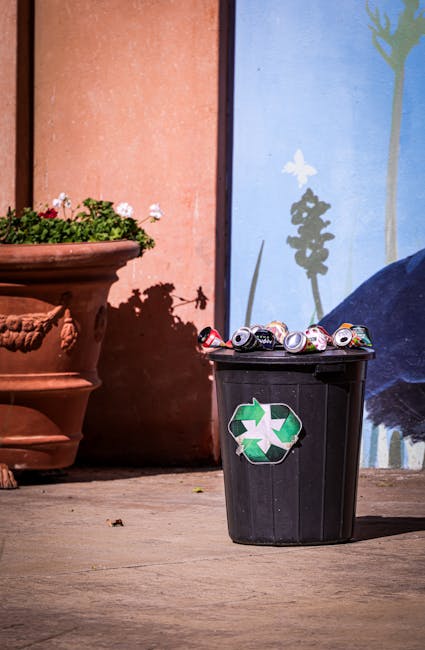
Camden Council rules for recycling in the Regent's Park area: a practical guide for homes, flats and local businesses
If you live, work, or manage a property near Regent's Park, recycling can feel simple one day and oddly confusing the next. One week the bins are out neatly; the next, you are staring at a pile of cardboard, mixed plastics, a broken chair, and wondering what Camden Council actually expects. This guide explains Camden Council rules for recycling in the Regent's Park area in plain English, with practical steps you can use straight away.
The aim here is not to drown you in jargon. It is to help you sort waste correctly, avoid collection problems, reduce contamination, and make better choices for household, flat, office, or refurbishment clearances. And yes, if you have ever stood by the bin store at 8am in the drizzle thinking, "Surely this cannot be this fiddly?", you are in good company.
Table of Contents
- Why Camden Council rules for recycling in the Regent's Park area Matters
- How Camden Council rules for recycling in the Regent's Park area Works
- Key Benefits and Practical Advantages
- Who This Is For and When It Makes Sense
- Step-by-Step Guidance
- Expert Tips for Better Results
- Common Mistakes to Avoid
- Tools, Resources and Recommendations
- Law, Compliance, Standards, or Best Practice
- Options, Methods, or Comparison Table
- Case Study or Real-World Example
- Practical Checklist
- Conclusion
- Frequently Asked Questions
Why Camden Council rules for recycling in the Regent's Park area Matters
Recycling rules matter because the wrong items in the wrong bin can spoil a whole load. That is the part many people miss. It is not just about doing the right thing in principle; it is about making sure recyclable materials stay recyclable once they leave your property.
In the Regent's Park area, that can be especially relevant because the housing mix is varied. You have mansion blocks, converted flats, managed estates, offices, short-let properties, and period homes with awkward storage space. Different properties generate different waste streams, and bin arrangements are not always as straightforward as they look from the street.
Camden Council recycling guidance also matters because non-compliant set-outs can lead to missed collections, overflowing communal bins, bad smells, extra pest risk, and awkward conversations with neighbours or managing agents. Nobody enjoys those. Especially on a warm day when cardboard has been damp, flattened, and left half open. Not ideal.
There is a more positive side too. When recycling is done well, the whole building runs more smoothly. Bin stores stay tidier, recycling contamination drops, and residents are less likely to treat the bin area like a dumping ground for random bits of packaging and old junk.
Expert summary: The biggest win is not memorising every rule. It is building a simple routine: separate recyclable materials early, keep food waste out of dry recycling, and check local collection requirements before bin day.
How Camden Council rules for recycling in the Regent's Park area Works
The exact collection setup can vary by address, but the general principle is consistent: Camden expects waste to be separated into the correct streams, presented properly, and kept clean enough for processing. That usually means dry recycling in one container or sack system, general waste in another, and food waste where it is collected separately.
Dry recycling commonly includes items such as clean cardboard, paper, tins, cans, and certain plastic containers. Food residue, greasy packaging, and mixed material items are where people get caught out. A pizza box with grease soaked through the base? Usually a no. The clean lid may be fine, the soiled section may not be. Small detail, big difference.
Glass may be collected separately in some settings, while flats and managed properties may rely on communal bins or shared recycling points. Larger buildings can also have extra rules around bin presentation, storage, and access. If you are dealing with a block, it is worth speaking to the managing agent or caretaker as well as looking at local guidance.
For residents, the rhythm is usually simple: rinse lightly, flatten where appropriate, keep recyclables loose if required, and place them out on the correct day. For businesses, the picture is a little different. Duty of care, waste transfer records, and segregation expectations become more important. If you run a local office, you may want to look at office clearance support or business waste removal when recycling bins are overloaded or mixed with unwanted office furniture.
One practical point: many recycling problems start before the bin ever appears. If packaging arrives in the morning and gets tossed into a growing mixed pile by lunchtime, it is much harder to sort properly later. Better to separate as you go. Saves time, saves mess.
Key Benefits and Practical Advantages
Following Camden Council recycling rules is not only about avoiding penalties or missed collections. There are genuine day-to-day advantages, and some are pleasantly boring in the best possible way.
- Cleaner bin stores: less overflow, less odour, less visual clutter.
- Fewer rejected loads: cleaner recycling streams are more likely to be accepted and processed.
- Less neighbour friction: shared bin areas run better when everyone uses them consistently.
- Better space use: flattening cardboard and separating waste creates room in small flats and communal stores.
- Stronger environmental performance: recyclable items are less likely to be lost to general waste.
There is also a practical commercial angle. In a workspace, better recycling habits reduce the build-up of paper, packaging, broken equipment, and redundant furniture. If your site is near Regent's Park and you are clearing out old desks, shelves, or meeting-room items, pairing recycling habits with furniture disposal or furniture clearance can keep the whole job cleaner and faster.
For households, the big benefit is peace of mind. You know what goes where. That sounds small, but it removes a surprising amount of low-level stress. Especially when you are dealing with a move, a declutter, or a landlord inspection.
Who This Is For and When It Makes Sense
This guide is useful for anyone who lives, manages, or works around Regent's Park and needs to handle waste responsibly under Camden Council expectations. It is especially helpful if your property has limited storage, shared bins, or frequent turnover.
- Flat tenants and owners: if you rely on communal bins and want to avoid mistakes.
- Landlords and managing agents: if bin stores need to stay organised and compliant.
- Homeowners and occupiers: if you want a clear routine for household recycling.
- Offices and small businesses: if paper, packaging, and outdated items build up quickly.
- People planning a clear-out: if a loft, garage, or spare room has become a storage expedition.
It also makes sense when you are doing more than routine recycling. Spring clean? Pre-letting tidy-up? End-of-tenancy move? Office refit? Those are the moments when recyclable and non-recyclable waste gets mixed together fastest. It is human nature, really. One box becomes five, then six, then a bag of cables no one remembers owning.
If you are dealing with a bigger clearance, it may help to review home clearance options, house clearance services, or even flat clearance if the property has tight access and a shared lift.
Step-by-Step Guidance
If you want a simple method you can actually follow, use this. No drama, no overthinking.
- Identify the waste stream. Ask yourself whether the item is dry recycling, food waste, general waste, bulky waste, or something hazardous.
- Remove obvious contamination. Empty containers, shake out loose debris, and separate greasy or food-soiled packaging where needed.
- Flatten and bundle sensibly. Cardboard takes up a shocking amount of room if you leave it whole.
- Use the correct container. Communal bin, kerbside bin, sack, caddy, or designated collection point.
- Check presentation rules. Some properties need bins out by a certain time, while others must keep them in a locked store until collection day.
- Keep mixed materials separate. If an item is part recyclable and part not, split it if practical.
- Deal with bulky items separately. Furniture, appliances, and mixed waste often need a different route from standard recycling.
Here is the reality: if you wait until the night before collection to sort everything, you will probably make more mistakes. A better habit is to keep a small recycling station in the kitchen, office, or utility area and empty it regularly. It is a minor effort that prevents a mountain of hassle later.
If bulky items are part of the problem, you may want to combine recycling with garage clearance, loft clearance, or waste removal so the recyclable parts are separated properly from the rest.
Expert Tips for Better Results
A few small habits make a big difference. Honestly, this is where most people either save themselves time or create a mess they regret by Thursday.
- Rinse lightly, not obsessively: containers do not need to sparkle, but they should not be coated in food.
- Keep paper dry: damp cardboard often becomes useless recycling in a hurry.
- Watch for composite packaging: things made from mixed materials can be tricky, so inspect before binning.
- Use a separate bag for questionable items: it is easier to review a small "unsure" pile than rummage through a full bin later.
- Plan for clear-outs: if you know a declutter is coming, sort as you pack rather than after the room is empty.
In our experience, one of the best habits is creating a simple "keep, recycle, remove" system during any tidy-up. That sounds obvious, but it stops the usual chaos where useful items, recyclable packaging, and general rubbish all end up in the same heap. A classic, slightly tragic pile.
For workplaces, one more tip: assign one person to oversee the final bin check on collection day. Not forever. Just during busy periods. A second pair of eyes catches contaminated items, and that can prevent a rejected load or an untidy bin store.
Common Mistakes to Avoid
The most common recycling mistakes are not glamorous. They are the everyday ones that happen when people are in a rush.
- Putting food-soiled packaging in dry recycling. Greasy boxes and messy containers are a frequent problem.
- Mixing general waste with recyclables. One wrong item can spoil a whole bag or bin.
- Leaving items loose where they should be contained, or vice versa. Presentation rules matter.
- Ignoring communal bin instructions. Shared buildings often have property-specific rules on top of council guidance.
- Assuming all plastics are accepted. Not every plastic item is the same, and not every shape belongs in recycling.
- Dumping bulky waste beside bins. That usually creates a mess and may count as fly-tipping or improper disposal depending on the circumstances.
Another mistake is waiting for someone else to sort it out. In a flat block, that can quickly become a cycle of blame: "It was already there." "I thought the cleaner would do it." "I assumed the council collected it." You know the sort of thing. Better to make the system clear and visible.
If you have a lot of old items to deal with, a structured house clearance or furniture clearance can be far more efficient than trying to improvise around the bins.
Tools, Resources and Recommendations
You do not need a fancy setup to recycle well. But a few tools make life easier, particularly in smaller Regent's Park properties where space is tight.
- Labelled indoor bins: one for paper/card, one for mixed dry recycling, one for waste that cannot be recycled locally.
- Foldable storage boxes: good for keeping cardboard flat until collection day.
- Recycling caddy or kitchen pail: especially useful for food waste in flats and smaller homes.
- Basic tape and marker pens: handy for labelling sorting zones during a clear-out.
- Heavy-duty sacks or boxes: useful when moving sorted waste to a shared bin store.
For larger clearances, it helps to work with a service that understands how to separate reusable, recyclable, and residual items. That is where a planned approach matters more than speed. If you are unsure about mixed items, odd furniture, or office debris, check the relevant service pages such as builders waste clearance for renovation debris or recycling and sustainability guidance for a broader responsible disposal approach.
One small recommendation: keep a "do not recycle" note near the bin area for common offenders like food trays, stained paper, and broken household bits. It sounds almost too basic, but a simple reminder often works better than a long instruction sheet nobody reads.
Law, Compliance, Standards, or Best Practice
When people ask about recycling rules, they often mean two things at once: what the council asks for and what you should do to stay on the safe side. The sensible answer is to follow Camden's current collection instructions for your address and apply standard UK waste best practice where relevant.
For households, that usually means using the right bins, keeping materials clean enough to be processed, and not overfilling shared containers. For landlords, managing agents, and businesses, the expectations rise. You should think about duty of care, safe storage, correct segregation, and making sure waste is passed to the right channel.
Best practice in simple terms is this:
- Do not contaminate recycling with food or general waste.
- Keep records where a business is involved in waste transfer.
- Separate reusable items before disposal where practical.
- Use trained, insured, and appropriately managed clearance support for bulky mixed waste.
- Handle any potentially hazardous items with extra caution.
For a business or managed building, that might also mean checking health and safety policy information and insurance and safety details before arranging a clearance. Nobody wants a simple bin issue turning into a hazard because someone lifted a broken filing cabinet badly at the end of a long day.
And just to be clear, this article is practical guidance, not a substitute for checking the current local rules for your exact property. Recycling arrangements can differ between streets, blocks, and commercial premises.
Options, Methods, or Comparison Table
Different situations call for different disposal methods. A quick comparison helps you avoid using the wrong one.
| Method | Best for | Pros | Watch-outs |
|---|---|---|---|
| Kerbside or communal recycling | Everyday paper, card, cans, bottles, accepted plastics | Simple, local, low effort | Contamination, space limits, collection-day timing |
| Bulky waste clearance | Furniture, large household items, mixed clutter | Removes awkward items fast | Needs correct sorting and a responsible disposal route |
| DIY sorting and drop-off style prep | Smaller clear-outs with time to separate items | Good control, lower contamination risk | Can be time-consuming and physically tiring |
| Managed clearance service | Flats, offices, end-of-tenancy jobs, renovation leftovers | Efficient, practical, less disruption | Choose a provider that handles waste properly and transparently |
For many Regent's Park properties, the real choice is between "sort it all yourself over several trips" and "deal with it properly in one planned clearance." Truth be told, if the waste is mixed, heavy, or awkward, a managed service often saves time and reduces mistakes. It is not about being lazy. It is about not turning a Saturday into a full-day wrestling match with a broken wardrobe.
Case Study or Real-World Example
A small flat near Regent's Park was being cleared ahead of a move. The residents had a normal mix of waste: flattened cardboard from deliveries, a bag of soft plastics, kitchen items, a chipped bedside table, and several bags of old paperwork. At first, everything was heading into the same corner. Classic moving-day behaviour.
Instead of rushing, they set up three areas on the floor: recycle, donate/reuse, and remove. Cardboard was flattened and stacked dry. Clean containers were separated from food waste. The table was identified as bulky waste rather than ordinary recycling. Paperwork was kept for secure disposal. Within an hour, the room looked calmer and the bin bags were far more manageable.
The useful part was not just tidiness. Because the waste was sorted early, there was less contamination, less lifting, and fewer things left behind for the last minute. The move felt more controlled, and the bin store did not end up with a random extra pile by the back door.
That is the pattern we see most often. Once you sort first, everything else becomes easier. A bit less chaos. A bit more breathing room.
Practical Checklist
Use this checklist before putting anything out for recycling or collection:
- Have I checked what Camden accepts for my property type?
- Is the item clean enough to recycle, or too food-soiled?
- Does it need flattening, bundling, or separating first?
- Am I using the correct bin, sack, or collection point?
- Have I kept recyclable items away from general waste?
- Are bulky items arranged separately?
- Do I need help with furniture, office items, or clearance waste?
- Is the bin store accessible and tidy for collection day?
- Have I removed anything confidential, hazardous, or valuable?
- Do I need to plan the next step with a proper clearance provider?
If you are managing a bigger job, a clear process beats guesswork every time. A few minutes of sorting now can save a lot of awkwardness later.
Get a free quote today and see how much you can save.
Conclusion
Camden Council rules for recycling in the Regent's Park area are easiest to follow when you treat recycling as part of the routine, not a last-minute chore. Once you know what belongs in dry recycling, what needs separate handling, and how bulky or mixed waste should be removed, the whole system becomes much easier to live with.
The local reality is pretty simple: space is limited, bin stores can get crowded, and everyone benefits when waste is sorted properly. Whether you are in a flat, a family home, an office, or a managed building, a steady and tidy recycling habit makes life calmer. Not perfect. Just calmer. And sometimes that is enough.
If you are dealing with a larger clear-out, you may also find it useful to explore recycling and sustainability, pricing and quotes, or the company's about us page to understand the approach behind the service. A little planning goes a long way, and it usually makes the whole job feel less heavy.
Take it one bag, one box, one bin at a time. That is usually how the best results happen.
Frequently Asked Questions
What are the basic Camden Council recycling rules in the Regent's Park area?
In simple terms, you should separate recyclable materials from general waste, keep items clean enough to process, and use the correct bin or collection point for your property. The exact setup can vary by address, especially in flats and managed buildings.
Can I recycle greasy pizza boxes?
Usually only the clean parts, if the rest is heavily food-soiled. Grease and food residue can contaminate recycling, so it is better to keep stained sections out unless local guidance says otherwise for your specific collection.
Do I need to rinse containers before recycling them?
A light rinse or quick emptying is normally enough. They do not need to be spotless, but they should not be full of food or liquid. The aim is to reduce contamination, not waste water.
What should I do with bulky items like tables or old wardrobes?
Bulky items usually need a separate clearance route rather than going into regular recycling bins. If they are part of a bigger declutter, services such as house clearance or furniture disposal may be more suitable.
Are recycling rules different for flats and communal buildings?
Yes, they often are. Communal bin stores may have different containers, access arrangements, and presentation rules. It is worth checking building-specific instructions alongside Camden guidance.
What happens if the recycling is contaminated?
Contaminated recycling may be rejected, left uncollected, or treated as general waste depending on the circumstances. That is why separating waste properly before collection matters so much.
Can businesses in Regent's Park use the same recycling approach as homes?
Not usually. Businesses should also think about duty of care, safe storage, waste transfer documentation, and the correct handling of office waste. For more involved jobs, business waste removal or office clearance may be the better route.
What if I am not sure whether something can be recycled?
When in doubt, put it aside and check before mixing it with recycling. A separate "unsure" pile is much safer than contaminating a full bin. Slightly annoying, yes, but better than causing a rejected collection.
How can I make recycling easier in a small flat?
Use small labelled containers, flatten cardboard immediately, and empty recycling frequently. In compact homes, a little discipline beats trying to manage a giant bag of mixed packaging once a week.
Is it better to sort waste myself or use a clearance service?
It depends on the amount and type of waste. Small household recycling is usually easy to manage yourself. Mixed clutter, bulky items, and clearance jobs are often easier with a service that can separate and remove items responsibly.
Where can I learn more about responsible disposal and sustainability?
You can review recycling and sustainability information for a broader look at responsible waste handling, especially if you are planning a larger clean-up or renovation.
How do I know whether I need help with a larger clearance?
If you have heavy items, tight access, a lot of mixed waste, or limited time, it is usually a sign that professional help would make sense. The job becomes safer and less stressful when the waste is handled in a structured way.